
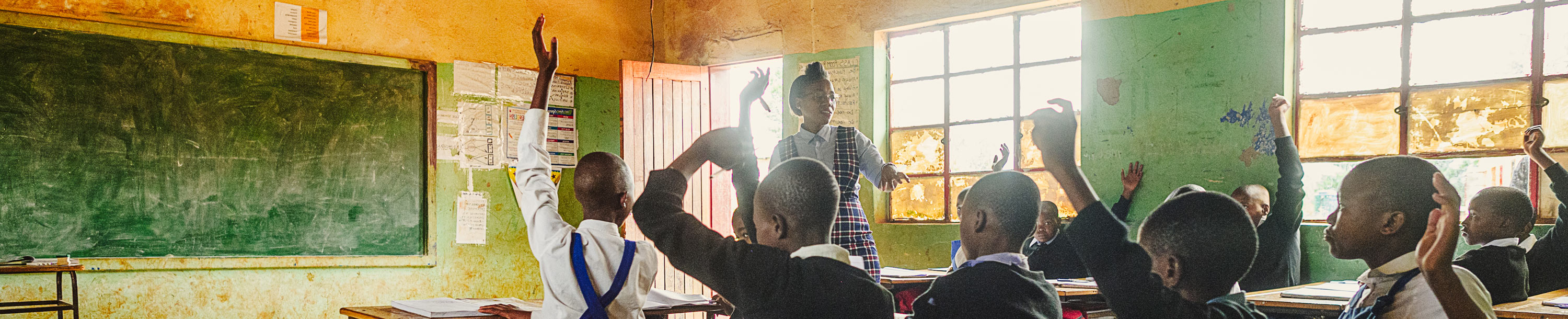
Producing over 40% of teachers in South Africa
Prof Sikhulile Bonginkosi Msezane is widely recognised as one of South Africa’s leading scholars in Education for Sustainable Development (ESD), Science Education, and the expanding field of Climate Change Education. His academic development from his undergraduate training in Agricultural Sciences to his rise as a Full Professor at UNISA reflects a career defined by sustained intellectual growth, purposeful innovation, and a strong commitment to strengthening education systems in response to contemporary global challenges. With a Bachelor of Science in Agricultural Sciences, Honours Degree, Masters Degree and a PhD in Curriculum Studies focusing on ESD, his scholarly trajectory demonstrates a clear progression toward developing an integrated educational response to environmental and socio-ecological crises.

Prof Sikhulile Bonginkosi Msezane
Over the past decade, Msezane has established a notable research presence in national and international discourses on sustainability, environmental literacy, curriculum transformation, and school improvement. His scholarship covers a wide landscape, including curriculum analysis, teacher development, environmental impact pedagogy, and school evaluation frameworks. Across these contributions, a consistent theme emerges of the need to bridge the gap between policy intentions and the realities of classroom implementation.
Through this work, Prof Msezane has advocated for clearer curriculum specifications, stronger teacher support systems, and the potential introduction of ESD as a standalone subject. His findings have influenced debates on curriculum review, the structuring of environmental learning pathways, and the broader role of schools in advancing sustainable development.
His contributions extend strongly into climate change education. He has co-authored empirical studies on how climate variability affects learners’ behaviour and academic performance, generating valuable insights into the educational consequences of extreme heat, cold, humidity, and seasonal shifts. Importantly, his climate change research is explicitly aligned to UNISA’s Catalytic Niche Area 4 (Energy) and to the global imperatives of SDG 13 (Climate Action) ensuring that his scholarly work directly contributes to institutional priorities and international development agendas.
Prof Msezane has further shaped the teacher education landscape through programme development and academic innovation. He led the development and implementation of Agricultural Sciences Education offerings at UNISA’s College of Education, resulting in the successful enrolment of teachers into the Postgraduate Certificate in Education (Agricultural Sciences/Technology/Management). He later strengthened this trajectory through the introduction of the Honours in Agricultural Sciences/Technology/Management, which began recruiting candidates in 2025. These programmes mitigated a longstanding gap in agricultural teacher training and significantly expanded UNISA’s footprint in this specialised field.
His academic leadership is further demonstrated by the NRF grant awarded to him in May 2025 for ‘the flagship project Developing Teachers’ Futures for Climate Action’. The project has established strong partnerships with the Department of Basic Education, key NGOs, the University of Reading (UK), the University of Ghana, the University of Namibia, the University of Zambia, the University of Eswatini, and the International University of Management in Namibia. The project has already recruited a cohort of master’s and doctoral students whose research focuses on climate change education, demonstrating Prof Msezane’s commitment to advancing research capacity and cultivating future scholars in this space.
Prof Msezane’s collaborative research footprint extends beyond Africa. He has worked with UNESCO, on sustainability and ESD-focused projects, contributing to high-impact international publications, including book chapters in the United Nations Sustainable Development Goals editorial project. His work on climate change pedagogy, curriculum methodologies, and school evaluation frameworks is widely recognised.
Mentorship remains a central pillar of his academic identity. He has supervised and graduated numerous master’s and doctoral candidates, many of whom now serve as lecturers, researchers, and specialists in sustainability and science education. His mentorship approach emphasises academic rigour, intellectual independence, and professional growth.
Prof Sikhulile Bonginkosi Msezane’s scholarship is characterised by research excellence, policy relevance, and a sustained commitment to educational transformation. His contributions have shaped curriculum development, climate action initiatives, teacher education, and community engagement, all grounded in a vision of education as a catalyst for sustainability and social responsiveness.
Last modified: Mon Dec 15 09:25:01 SAST 2025