
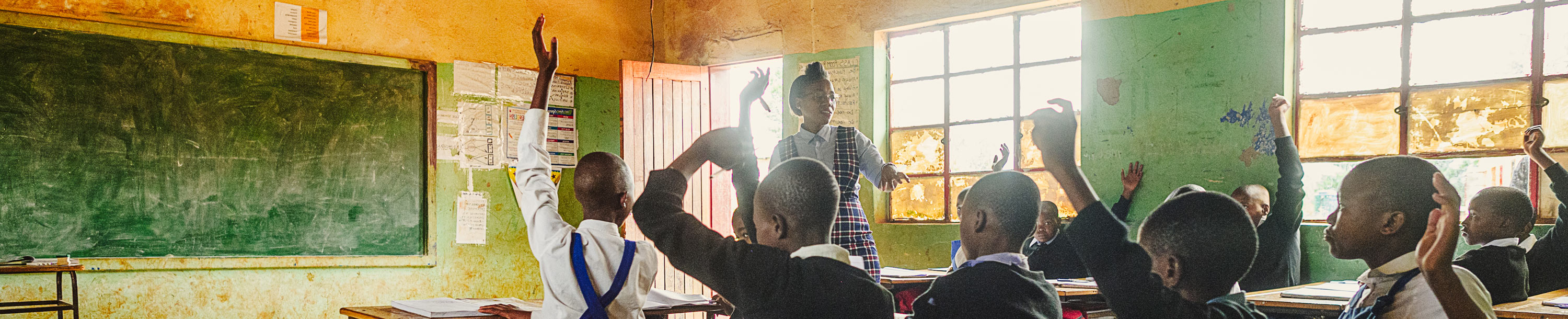
Producing over 40% of teachers in South Africa
Professor Hasina Banu Ebrahim is a leading expert in early childhood. She holds the prestigious UNESCO Tri-Chair in Early Childhood Education, Care, and Development at the University of South Africa and is a rated researcher with the National Research Foundation.
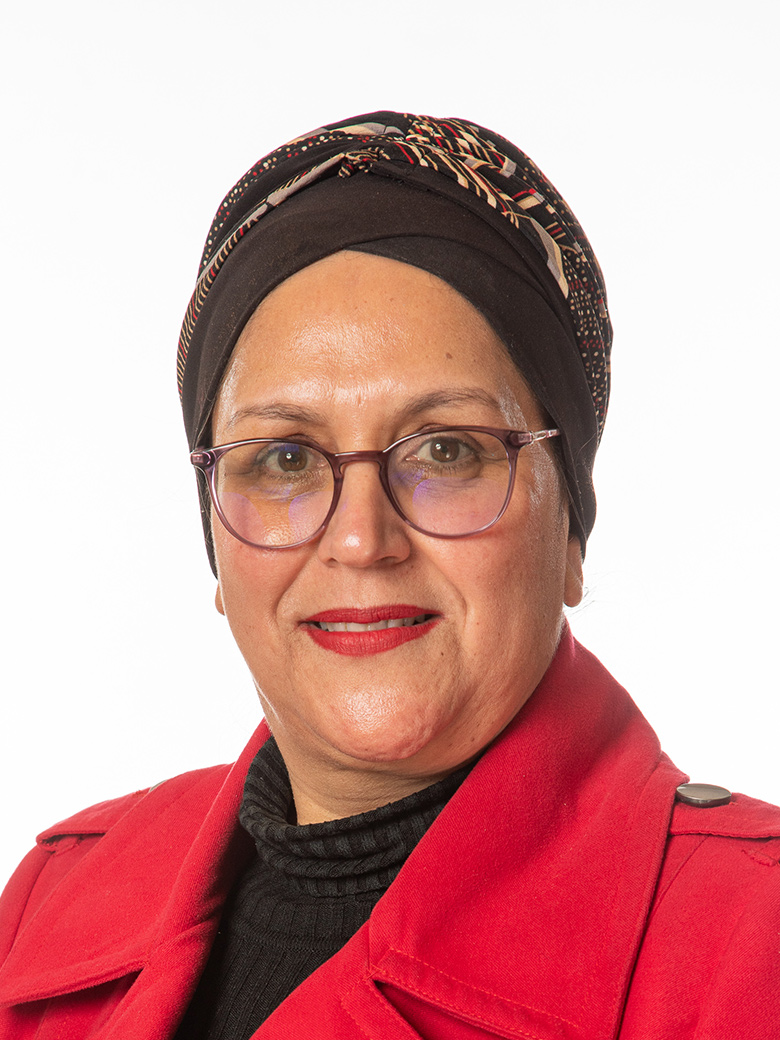
A rated researcher with the National Research Foundation
As a full Professor with over 22 years of experience training early childhood teachers and 16 years in Pre- and Junior Primary Education, Prof. Ebrahim focuses on enhancing early care and education for children in challenging situations. Her work addresses policies, teaching practices, and workforce development to support the growth and well-being of young children.
She has earned top accolades like the UNISA Women in Research Leadership Award, the South African Women in Science Award and the South African Education Research Association Award for research excellence. Prof. Ebrahim publishes widely and delivers keynote conferences across South Africa and the globe.
A past President and Deputy President of the South African Research Association for Early Childhood Education (SARAECE), she leads projects that professionalise the early childhood workforce and shape supportive policies. Her efforts for change have transformed early education curricula in South Africa and the Seychelles.
Deeply committed to building researcher capacity in the early years, Prof. Ebrahim has partnered with the South African Department of Higher Education, the Council for the Development of Social Science Research in Africa (CODESRIA), and currently with Education Sub-Saharan Africa (ESSA) to change the research landscape in the early years. She is the knowledge convener for the Early Childhood Working Group of the African Union, via the African Early Childhood Network, and serves on the editorial boards of various journals.
As an NRF C1-rated researcher with a track record of achieving prestigious awards, she was recently honoured and recognised by the Academy of Science of South Africa (ASSAf) for her work in Early Childhood Care and Education (ECCE), a field where she consistently foregrounded contextualisation, social justice and equity for those at the margins. This achievement is not just a personal milestone; it reflects a lifelong commitment to challenging dominant paradigms and amplifying voices that are often silenced. Her scholarship in ECCE in South Africa has been shaped by a critical interrogation of traditional views that frame young children as individuals in a state of “becoming.” This perspective has influenced policy, practice, and research, ensuring that diverse voices inform the generation of knowledge.
Since 2017, she has had the privilege of serving as UNESCO Co-chair/Tri chair in Early Education, Development and Care, the first South African scholar to hold this position. This role has enabled her to contribute to global knowledge while addressing epistemic marginalisation. Through an array of publications in national and international journals, she has sought to reimagine ECCE systems for resilience and equity. This work is further supported by her involvement in editorial boards, task teams, and advisory boards. Equally important has been her ability to translate research into tangible impact. In forging partnerships with NGOs and educational institutions, she continues to pioneer initiatives that integrate research evidence to influence policy and practice. This is visible in “the birth to four” curriculum and policy for teacher education and human resource development.
Becoming a member of the Academy of Science affirms the value of these efforts. It is a recognition that scholarship can and must be transformative, rooted in justice, and responsive to the realities of those at the margins.
She has recently co-led the groundbreaking 2025 T20/G20 ECCE Side Event with global partners from the Dublin City Early Childhood Research Unit, as well as contributors from Africa, South America, Southeast Asia, and Europe.
Last modified: Mon Dec 15 09:25:01 SAST 2025