

The African college of excellence in the social and human sciences
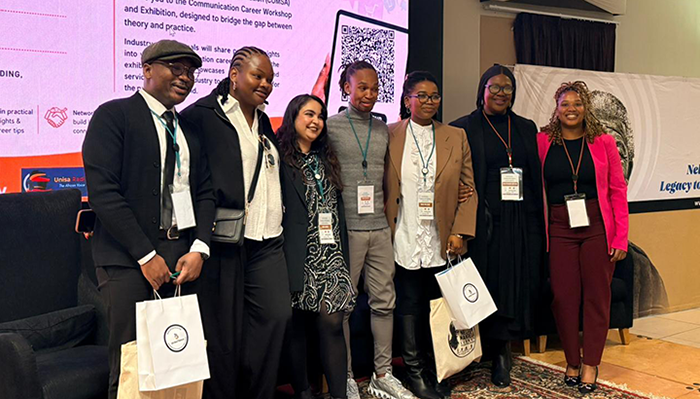
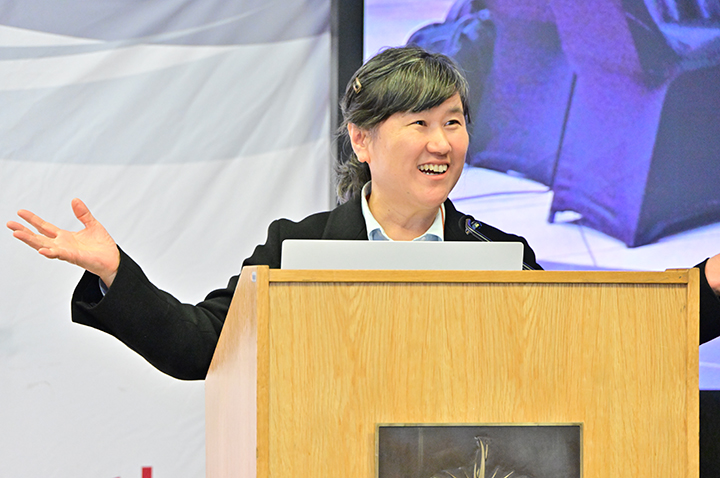
Prof Rofhiwa Mukhudwana, Chair of the Department of Communication Science, Yolanda Cuba, Nelson Mandela Foundation Board Member, and the Youth Dialogue panellists
The University of South Africa's Department of Communication Science, in partnership with the Nelson Mandela Foundation and the Mail & Guardian, alongside a range of public and private sector partners, hosted its Youth Month Dialogue 2026 under the theme "Good Trouble: 1976–2026 – Creators, Not Captives".
The dialogue brought together students, academics, policymakers, industry leaders, entrepreneurs, content creators and civil society organisations to reflect on the legacy of the 1976 student uprising while addressing contemporary challenges facing young people in South Africa.
The event explored critical issues, including youth unemployment, digital innovation, entrepreneurship, content creation, economic inclusion and the future of work. Participants were encouraged to consider how young people can move beyond being consumers of technology and become creators of opportunities, knowledge and economic value.
Delivering the keynote address, Yolanda Cuba, Board Member of the Nelson Mandela Foundation, reflected on the realities of youth unemployment in South Africa and challenged stakeholders across society to create meaningful pathways for young people to participate in the economy with dignity and purpose.
A dynamic panel discussion, themed "Power in the Platform Era: Opportunities, Dignity and Economic Freedom", featured industry experts and youth development practitioners, including representatives from Afrika Tikkun and leading voices in digital innovation and entrepreneurship. Panel participants included Grace Mondlana, Noor Ahmad, Xolane Khambule and Mbali Williams. The discussion examined the opportunities presented by the digital economy, the challenges of platform labour and the importance of equipping young people with future-ready skills.
During the discussion, panellists emphasised that young people must view digital platforms not only as spaces for consumption but also as tools for innovation, entrepreneurship and social impact. Grace Mondlana highlighted the importance of building sustainable digital careers through creativity and consistency. At the same time, Noor Ahmad encouraged young people to develop adaptable skills that can respond to rapidly changing technological environments. Xolane Khambule stressed the need for greater access to opportunities and support systems for youth. Mbali Williams underscored the importance of purpose-driven entrepreneurship that creates both economic and social value.
Prof Simphiwe Rens from Unisa's Department of Communication Science moderated the discussion and highlighted the role of universities as catalysts for social change, innovation and engaged scholarship. The dialogue also featured an exhibition space showcasing youth-focused initiatives and opportunities from organisations such as SA Youth.mobi, Afrika Tikkun, the Nelson Mandela Foundation Shop, Harambee, and other partners committed to advancing youth development and economic inclusion.
Speaking on behalf of the Department of Communication Science, Prof Rofhiwa Mukhudwana, Chair of the Department, noted that the event was designed to move beyond conversation and inspire practical action.
"The generation of 1976 demonstrated extraordinary courage, vision, and collective action in confronting the injustices of their time," said Mukhudwana. "Their struggle reminds us that meaningful change is never handed to a generation; it is created through commitment, resilience and a willingness to challenge the status quo. While today's young people face different realities, including unemployment, inequality and rapid technological change, they possess unprecedented opportunities to innovate, create and lead. This dialogue is a call for young people to move beyond being passive consumers of information and opportunities, and to become active creators of solutions, businesses, knowledge and social change. The future of South Africa will not be shaped by circumstance, but by a generation willing to imagine new possibilities and work collectively to realise them."
The Youth Month Dialogue forms part of Unisa's commitment to engaged scholarship and meaningful community engagement, creating platforms where academic knowledge, industry expertise and lived experiences converge to address pressing societal challenges. As South Africa marks fifty years since the historic events of June 1976, the dialogue reaffirmed the importance of empowering young people with the tools, opportunities and support needed to build a more inclusive and prosperous future.
* By Athenkosi Sigenu, Junior Lecturer, Department of Communication Science, and Nnana Jege, Communication and Marketing Specialist, College of Human Sciences
Publish date: 2026-06-30 00:00:00.0
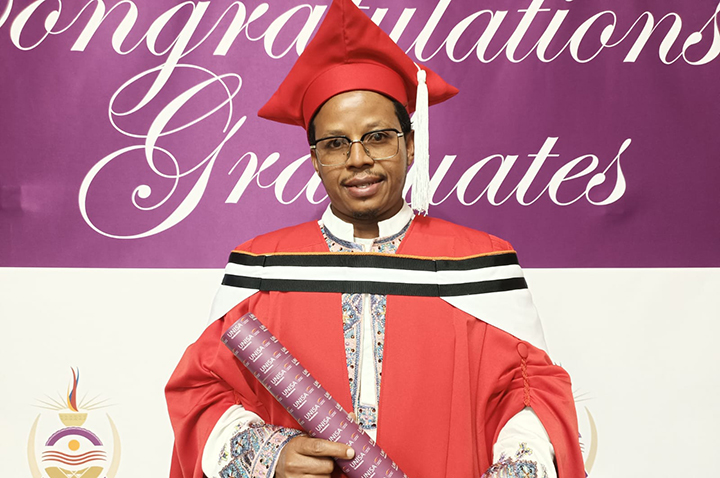 SBL doctoral graduate is shaping the future of Ethiopia's coffee sector
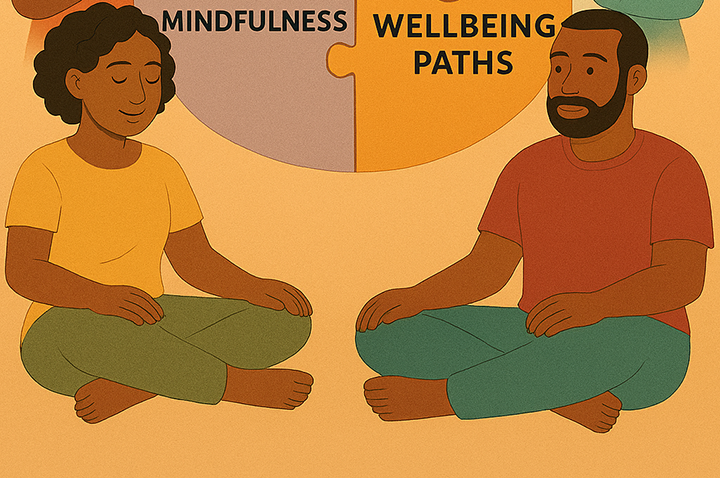 A milestone for student wellbeing
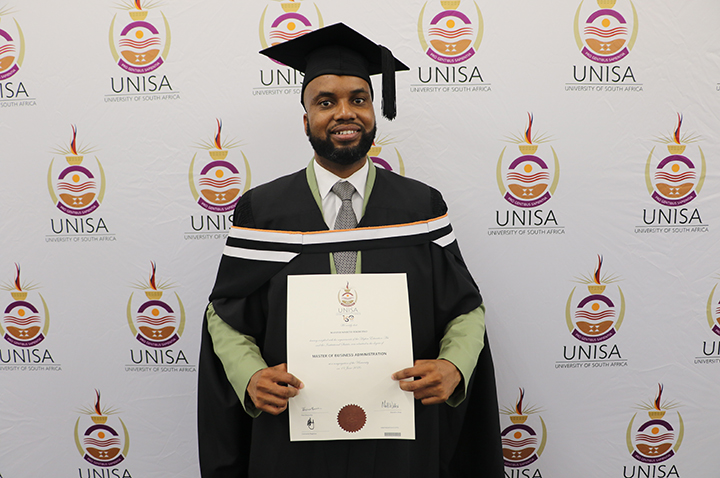 Unisan advances service excellence through his MBA journey
 Unisa brings world's leading mission scholars together to tackle global challenges
 Unisa hosts workshop to empower postgraduate student support and quality assurance